
Replacement Diploma Guide: Everything You Need to Know
A practical guide to replacing lost, damaged, or missing college and university diplomas.
Whether your original diploma was lost, damaged, or simply needs to be preserved, replacing it starts with understanding your options. This guide explains what information you may need, how replacement college and university diplomas are created, and the difference between a custom replacement and an official credential issued by a school. Diplomas USA has produced more than 25,000 custom documents since 2004, giving us over two decades of hands-on experience with diploma layouts, typography, paper, and document presentation.
What Is a Replacement Diploma?
Understanding your options before replacing a lost, damaged, or missing diploma.
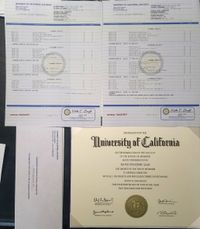
A replacement diploma is a newly produced version of a diploma that has been lost, damaged, destroyed, or is no longer suitable for display. Some colleges and universities provide replacement diplomas directly, while others may have limited records, changed their document formats, or closed entirely. When an institution cannot provide what you need, a custom replacement can be created for personal, display, commemorative, novelty, or theatrical use. Photos, scans, school information, graduation dates, degree details, and other reference materials can help reproduce the overall layout and appearance of the original document.
What Information Is Needed to Replace a Diploma?
The more accurate reference information you have, the better the finished replacement can reflect the original.
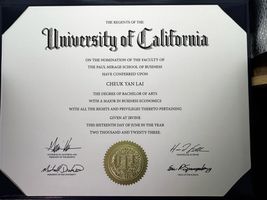
Start by gathering the school or university name, graduate’s name, degree or program, graduation date, and campus location if applicable. A clear photo or scan of the original diploma is especially helpful because diploma designs can change over time. Other useful references may include older photographs, copies, school logos, dimensions, typography, signatures, seals, and related transcripts or envelopes. At Diplomas USA, each layout is reviewed for details such as typography, alignment, spacing, and paper before production, with a final inspection before shipment.